
Josh Medow, CEO of healthcare shipping company Mercury, uses artificial intelligence (AI) to help organize and streamline packaging-related decisions. The tool saves time, he says.
Figuring out which box to use for a biotech or pharmaceutical customer shipment requiring temperature control, for example, used to be a time-consuming and complex part of the job. A drug shipment’s destination, how it’s being shipped, and temperature range are part of the decision-making equation.
Medow believes “the most complicated part is figuring out how large of a box you need…. Most of the time, these customers are shipping [5-inch] cryo boxes, and we would struggle to figure out how many cryo boxes fit into which outer box once you’ve put inside the dry ice, cold packs, and phase change materials.”
ChatGPT’s AI tool changed the process — organizing box options and recommending how many cryo boxes would fit inside the chosen outer box. Medow says he still must make decisions, such as whether to use a 96-hour or 48-hour box, depending on the shipment’s destination.
The good news about AI is that it has allowed brands and the packaging ecosystem to get to market faster, in some cases, lowering packaging costs, according to Sean Bisceglia, CEO of WovenWorks.
The impact on packaging officers or leaders is in knowing how to sort through a unique, sensorial type of creativity. “You can go on AI, and you can put in, ‘I want a new ketchup bottle,’ or ‘I want a new water bottle,’ and it's going to give you those designs very quickly. But that's the watch out. That's the danger … everybody has the same designs. So it becomes parody or commodity,” Bisceglia says.
Packaging Digest reported in 2025 that AI tools can help to manage the complex data landscape of packaging specifications, compliance, and sustainability reporting. The tools aid in structuring, validating, and analyzing unstructured or siloed information across departments to facilitate faster decision-making and improved accuracy.
Jenn Goff, chief commercial officer at Packaging Compliance Labs in Kentwood, MI, tells us that packaging teams at companies are using AI as a research tool to look up such things as different failure mode types and how they’ve been addressed. AI is also a tool for writing protocols and reports (while humans still collect specific data for those documents).
“Ultimately, from a packaging leader perspective, it’s important for them to understand how their teams can utilize it for their effectiveness and speed of their job, also how to collect, capture, and analyze data in a quick and effective way,” Goff said. “The biggest caveat … is that AI has to have human verification.”
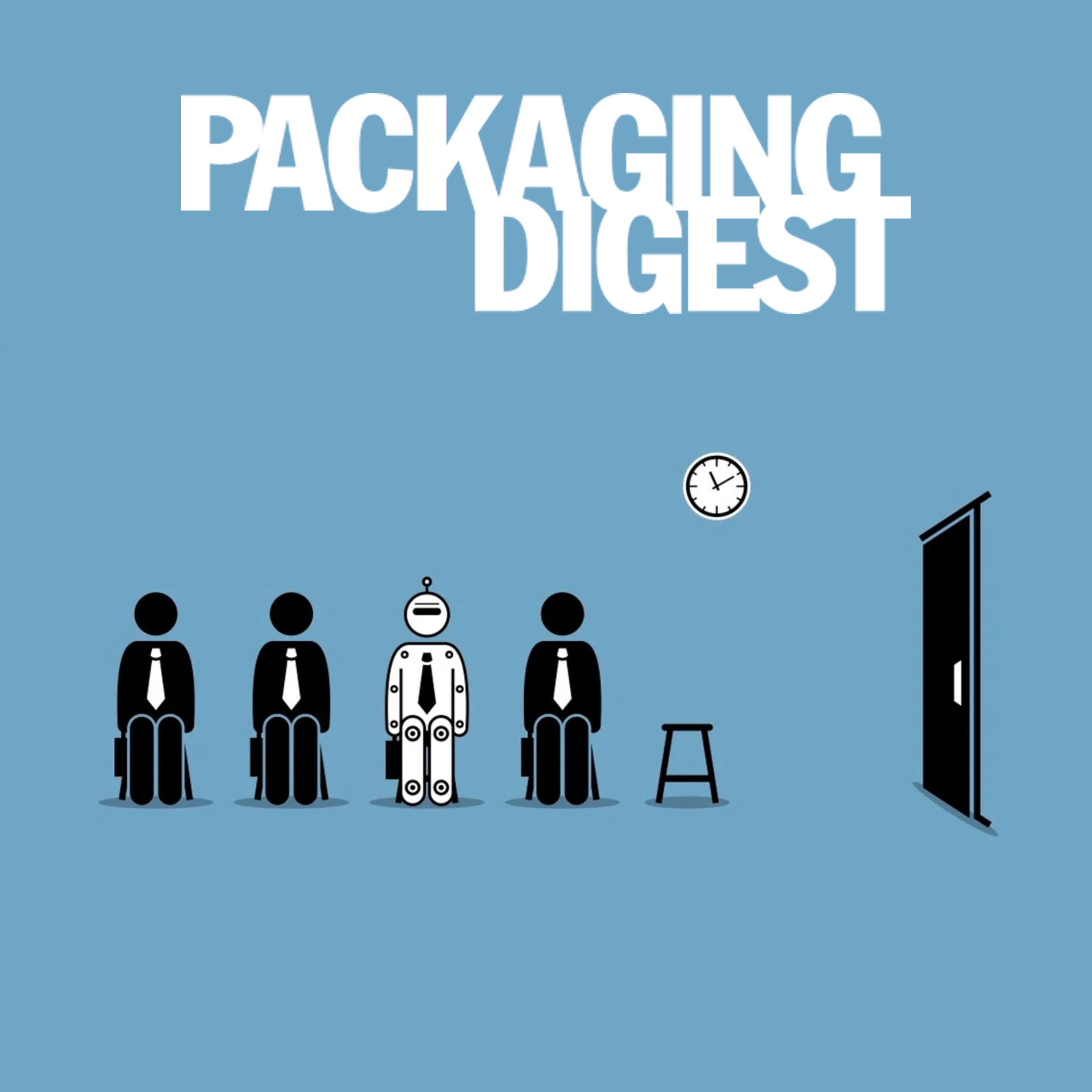
Whether a company calls the head of packaging a director, leader, or chief packaging officer, the white-collar role is changing with AI, and the people in those jobs across industries should learn to use AI, according to those hiring them.
White-collar jobs are among those on the AI chopping block. Microsoft AI CEO Mustafa Suleyman predicted earlier this year that AI will automate most white-collar work tasks in the next 12 – 18 months.
The experts interviewed in this story, however, insist the future of packaging jobs remains anchored on human oversight and expertise.
In conversations with vice presidents of supply chains and operations, the word is that AI at the “manager level and above isn't going to replace your job. It's going to enhance your job. People utilizing AI might replace you,” says Friddy Hoegener, cofounder and head of recruiting at Scope Recruiting.
One doesn’t have to be an engineer to ask AI about different strengths of packaging materials or a designer to produce design ideas, he says.
For the time being, AI is a really good whiteboard — something to bounce ideas off of and get feedback from, according to Hoegener.
Medow says human packaging experience remains paramount. And when hiring, he would look for somebody who knows packaging vendors, the types of boxes, pros and cons to each, and has a deep understanding of industry-related details, including vacuum-insulated panels versus polyurethane or polystyrene. Add to that, a strong candidate would need to be tech-savvy enough to use AI tools in decision-making, he says.
Goff refers to the quality as “curiosity.”
“When it comes to interviews, what I’m really looking for is someone who is curious. Someone who wants to continue to learn. Someone who fits within the culture of the organization,” Goff says.
Business acumen plays a larger role in leadership jobs today, according to Goff. So, while leaders need to be experts in their fields and embrace AI, they also need to understand the landscape of where an employer and industry are and where they are going.
“Understanding the business is a really important piece to being effective in your job and being effective in your career,” Goff says.
The bottom line about AI in packaging for leaders who run internal and external packaging teams, according to Bisceglia: “Don't be in denial that it's not impacting the packaging world because it is,” he says.
So how does one get good at AI? Simply use it for different processes, including packaging, to understand its limitations and strengths. Then use those examples of what you’ve experienced to wow future employers during job interviews, according to Hoegener.
“For job seekers, the most important portion we always tell our candidates is to lead with examples — specific results and specific outcomes,” he says. “What have you done? What were the systems and processes used, and what were the measurable results?”
Read the full original article at Packaging Digest.
